Puerto Rico (United States) / All works
Theatre · A way to begin
The Oxcart
La carreta
René Marqués · 1953
Synopsis
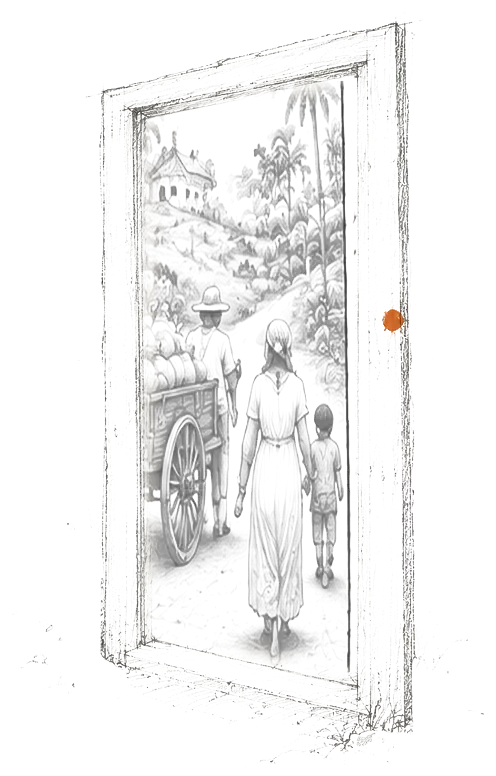
A family of Puerto Rican peasants leaves the mountain where they farmed their land: doña Gabriela, her son Luis, who became head of the family on his father's death, her daughter Juanita and little Chaguito; the grandfather, don Chago, refuses to leave. Luis believes the city will bring them prosperity. In La Perla, a wretched suburb of San Juan, he loses his factory jobs one after another, then the family leaves again for New York, in the Bronx, where the winter is harsh and where Luis lives only for his work at the factory.
Context
Written during the forties, the play was first staged in Spanish in New York in 1953, then in San Juan the following year. Its three acts are each named after a place, the countryside, the suburb, the metropolis, and the author reproduces the island's peasant speech. The play deals with rural poverty, the insecurity of the suburb, then the racism and machismo of the metropolis. It has been translated into English under the title The Oxcart.
Who it is for
A drama in three acts, in Spanish, whose transcribed peasant speech calls for careful reading.
Prizes and reception
It is the best-known drama by its author, who is regarded as having written no better play.
Sources for this page 4
The pages consulted to check this page.